
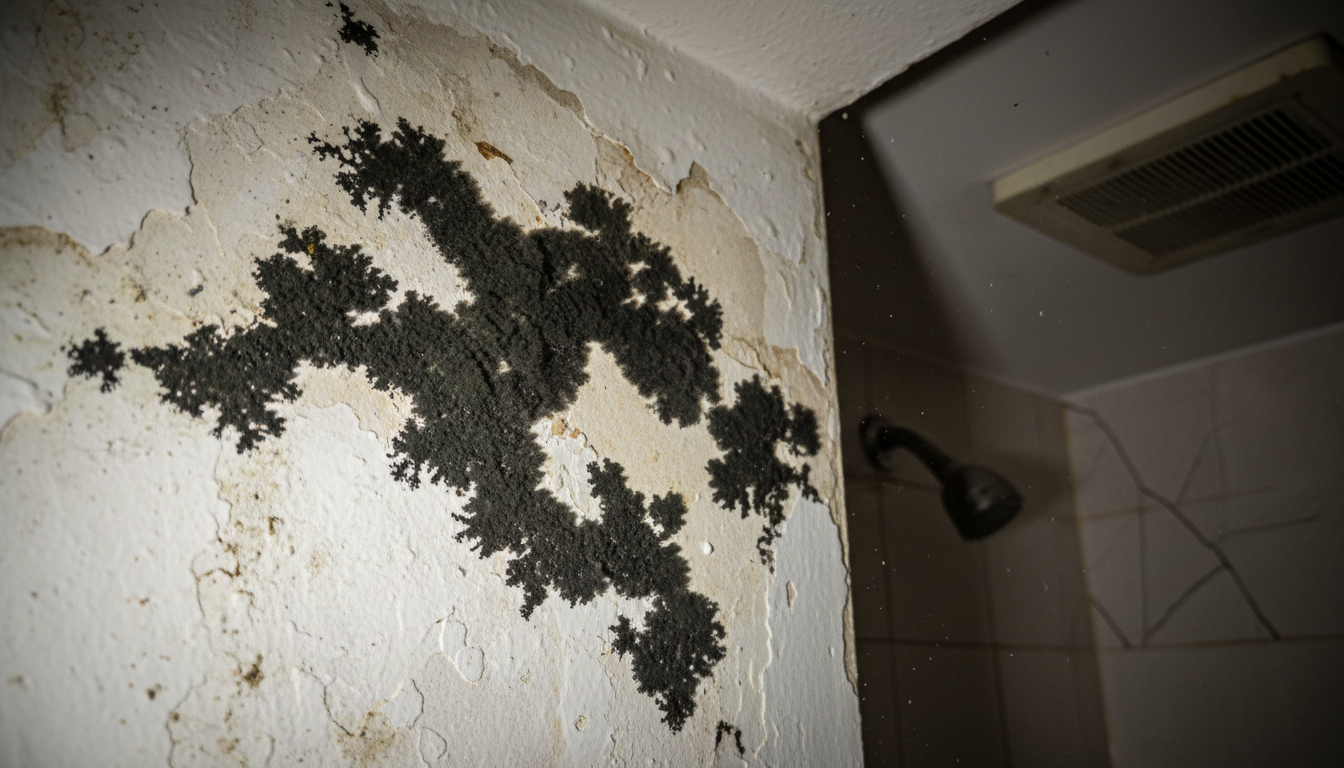
Black Mold Removal in Houston, TX
Specialized removal of Stachybotrys chartarum and other toxic black mold species. Level 3 containment, HEPA filtration, full personal protective equipment, and post-remediation clearance testing.
Black mold is the term most Houston homeowners use when they find dark-colored mold growth in their home, and the concern is warranted. Stachybotrys chartarum — the species most commonly called toxic black mold — produces mycotoxins that can cause serious respiratory problems, neurological symptoms, and immune system suppression with prolonged exposure. Houston's warm, humid climate and history of flooding create ideal conditions for Stachybotrys growth, which thrives on water-damaged cellulose materials like drywall paper, ceiling tiles, and cardboard.
Understanding Black Mold in Houston Homes
Not all dark-colored mold is Stachybotrys. Aspergillus niger, Cladosporium, and several Penicillium species also appear black or very dark green and are far more common in Houston homes. The critical difference is toxicity. While all mold can trigger allergic reactions and respiratory irritation, Stachybotrys produces satratoxin and other trichothecene mycotoxins that pose genuine health risks beyond ordinary mold exposure. The only way to confirm which species you are dealing with is laboratory analysis of a surface sample — which is why we always test before we quote a black mold removal project.
Stachybotrys requires sustained, heavy moisture to grow. It does not colonize surfaces that merely get damp occasionally. In Houston, the most common scenarios that produce Stachybotrys growth are: flooding events where drywall remained wet for more than 48-72 hours (Hurricane Harvey left thousands of Houston homes with Stachybotrys infestations), chronic plumbing leaks inside wall cavities that go undetected for months, and persistent roof leaks that saturate ceiling drywall and insulation. The mold is often hidden — growing on the back side of drywall, inside wall cavities, or beneath flooring — because it requires the kind of heavy, sustained moisture that usually occurs in enclosed spaces.
Black mold removal requires Level 3 containment protocols, which is the highest classification under IICRC S520 guidelines. This means full physical containment with polyethylene barriers, negative air pressure with HEPA-filtered exhaust, decontamination chambers for worker entry and exit, and full personal protective equipment including Tyvek suits and half-face respirators with P100 filters. We do not cut corners on black mold containment — the health stakes are too high.
Need Black Mold Removal? Call Now.
Same-day assessment available for Houston and surrounding areas.
Our Black Mold Removal Process
Species Identification & Risk Assessment
Before beginning any removal work, we collect surface samples from the suspected black mold growth and submit them for laboratory analysis. This confirms whether the mold is actually Stachybotrys or another dark-colored species, which determines the containment level and safety protocols required for the project.
Level 3 Containment Setup
We construct a full containment enclosure using 6-mil polyethylene sheeting with sealed seams. A decontamination chamber is established at the entry point. HEPA-filtered negative air machines create negative pressure within the containment zone, ensuring all air flows inward and is filtered before exhausting outdoors. This is the highest containment level per IICRC standards.
Full PPE Removal Operations
Our technicians enter the containment zone in full Level C personal protective equipment — disposable Tyvek coveralls, nitrile gloves, boot covers, and half-face respirators with P100 HEPA cartridges. All mold-contaminated materials are carefully removed to avoid spore dispersal, double-bagged in 6-mil disposal bags, and transported directly to disposal.
Structural Treatment & Encapsulation
After removing all contaminated porous materials, structural elements (studs, joists, concrete) are HEPA-vacuumed, treated with EPA-registered fungicide, and coated with a mold-resistant encapsulant. This multi-layer approach ensures that any microscopic residual spores are killed and sealed.
Third-Party Clearance Testing
An independent industrial hygienist — not affiliated with our company — conducts post-remediation air sampling and visual inspection. This third-party verification ensures objectivity and provides documentation that stands up to insurance review, real estate transactions, and health department inquiries.
Why Black Mold Is So Common in Houston
Houston's flooding history has created a legacy of black mold that persists years after the water recedes. Hurricane Harvey in 2017, Tropical Storm Imelda in 2019, the 2016 Tax Day and Memorial Day floods, and the winter storm power grid failure in 2021 (which caused millions of dollars in burst pipe damage) all left behind buildings with the deep, sustained moisture that Stachybotrys requires. Many Houston homes that flooded were dried and repaired without professional mold remediation — and the mold that grew inside those walls is still there, still producing mycotoxins, still affecting the health of occupants who may not even know it exists.
Houston's clay soils compound the problem. When heavy rains saturate the ground, clay soils hold that water far longer than sandy or loamy soils. Homes on slab foundations in neighborhoods like Meyerland, Braeswood, and Westbury can experience subslab moisture migration for weeks after a heavy rain event, keeping wall cavities and flooring damp enough to support ongoing Stachybotrys growth.
If you suspect black mold in your Houston home, do not attempt to clean it yourself. Disturbing Stachybotrys growth without proper containment releases massive quantities of mycotoxin-bearing spores into the air, potentially causing acute health effects and contaminating previously unaffected areas of your home. Call us at (281) 306-5175 for a same-day assessment.
Frequently asked questions
How dangerous is black mold, and what are the health symptoms?
Stachybotrys chartarum produces mycotoxins that can cause chronic coughing, wheezing, eye irritation, skin rashes, headaches, fatigue, and in severe cases, bleeding in the lungs (pulmonary hemorrhage), memory loss, and immune system suppression. Children, elderly individuals, and people with asthma or compromised immune systems are at highest risk. If you are experiencing these symptoms and suspect mold in your home, see your doctor and call us for an inspection.
Can I remove black mold myself?
We strongly recommend against DIY black mold removal. Stachybotrys spores are heavier than most mold species and tend to settle on surfaces rather than remaining airborne — but disturbing the growth (scrubbing, scraping, even walking on contaminated carpet) launches spores into the air. Without proper containment, HEPA filtration, and personal protective equipment, you risk contaminating your entire home and exposing yourself to concentrated mycotoxin exposure. Professional remediation with Level 3 containment is the safe approach.
How do I know if I have black mold or just regular dark mold?
You cannot distinguish Stachybotrys from other dark-colored molds by appearance alone. Stachybotrys is typically slimy or wet-looking with a dark greenish-black color, but so are several common mold species. The only reliable identification is laboratory analysis of a surface sample. We collect samples during our inspection and have results within 2-3 business days. Do not touch or disturb the mold while waiting for results.
How long does black mold removal take?
Black mold removal projects in Houston typically take 3-7 days depending on the extent of contamination. A single room with localized Stachybotrys growth can be completed in 3-4 days including containment setup, removal, treatment, and clearance testing. Larger projects involving multiple rooms or extensive wall cavity contamination may take a full week. We provide a detailed timeline during the project planning phase.
Request a Free Assessment
Describe your mold situation and we’ll get back to you within the hour. For emergencies, call (281) 306-5175 for immediate response.